What makes crystal wine glasses essential for wine enthusiasts?
Understanding how to choose crystal wine glass options transforms ordinary wine tasting into extraordinary sensory experiences. Premium glassware sales surged 18% in 2024, reflecting growing appreciation for quality stemware among UK wine enthusiasts. When you master how to choose crystal wine glass pieces, you unlock each wine's full potential through proper aeration and optimal delivery to your palate. French excellence shines through renowned Saint Louis crystal wine glasses, exemplifying the artistry behind crystal wine glasses that elevate every sip. How can proper glass selection transform your wine appreciation and create memorable dining moments that truly honour your favourite vintages?
Wine revelation: the right crystal glass can reveal hidden notes you never knew existed in your favourite bottle!
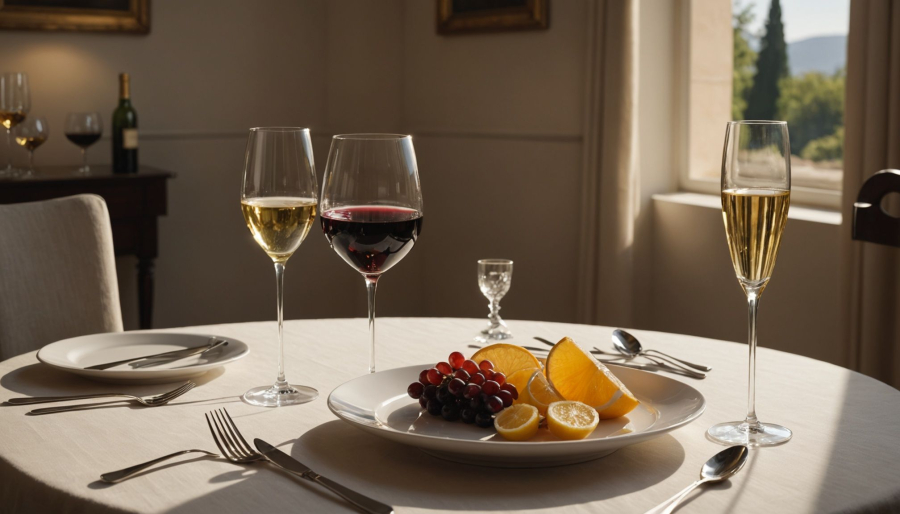
Key Information
- Crystal quality distinction: Authentic crystal contains 24-30% lead oxide, creating superior clarity, brilliance and resonance compared to regular glass, with premium pieces producing a distinctive ring when tapped
- Wine glass shapes matter: Bordeaux glasses suit full-bodied reds with their broad bowls, Burgundy shapes enhance delicate Pinot Noir, while champagne flutes preserve bubbles and white wine glasses balance aroma release with temperature retention
- Quality markers for luxury stemware: Look for exceptional transparency, substantial weight, thin rims under 1mm, pontil marks from hand-blown crystal glasses, and invisible seam lines indicating skilled craftsmanship
- Proper care extends lifespan: Hand-wash with lukewarm water and mild detergent, avoid thermal shock through gradual temperature changes, and store upright with protective padding to prevent damage to your crystal stemware collection
- Investment ranges vary significantly: Entry-level pieces cost £50-150, mid-range heritage glasses £150-400, while collector-grade pieces like Saint Louis crystal wine glasses command £400+ but appreciate substantially over time as functional art pieces
Comparison of Crystal Wine Glasses and Their Features
| Feature | Details |
|---|---|
| Crystal Composition | Contains 24-30% lead oxide, enhances clarity, brilliance, and resonance; produces a distinctive ring when tapped |
| Market Growth (2024) | Premium glassware sales increased by 18%, reflecting rising consumer appreciation for luxury stemware |
| Price Range | Entry-level: £50-150; Mid-range: £150-400; Collector-grade: £400+ |
Our client is a discerning wine enthusiast seeking to elevate their tasting experience through the selection of high-quality crystal stemware. Their preference leans toward premium French brands like Saint Louis, valuing craftsmanship and long-term investment.
"Quality crystal transforms ordinary wine moments into extraordinary sensory experiences."
How does crystal quality differ from regular glass?
The 2024 premium glassware market shows 12% growth as discerning consumers seek superior crystal quality. Understanding how to choose crystal wine glass options requires recognising fundamental material differences. Crystal contains lead oxide, typically 24-30%, creating superior clarity and brilliance compared to regular glass. This lead content enhances light refraction, producing that distinctive sparkle. French crystal wine glasses exemplify this excellence through traditional composition methods. Crystal's density affects resonance - tap quality crystal and hear a pure, sustained ring versus glass's dull thud. When learning how to choose crystal wine glass pieces, consider that crystal's molecular structure allows precise cutting, creating sharp edges that enhance wine aroma release. Regular glass lacks this precision capability. Crystal's weight feels substantial yet balanced, whilst standard glass feels lighter and less refined. Premium crystal maintains temperature longer, keeping wine at optimal serving conditions. Crystal's superior clarity means wine colour appears more vibrant, enhancing visual appreciation. Manufacturing processes also differ significantly - artisan crystal tableware involves hand-blown techniques perfected over centuries, whilst regular glass relies on machine production. Saint Louis artisans demonstrate this mastery through 430 years of traditional French craftsmanship, creating pieces that transform ordinary wine service into exceptional experiences.
Expert insight: crystal purity directly impacts wine aroma release, elevating your tasting experience significantly.
Which wine glass shapes suit different wine types?
The art of how to choose crystal wine glass shapes transforms wine appreciation by optimising each varietal's unique characteristics. Bowl size and rim diameter directly affect aroma concentration and alcohol perception - larger bowls suit bold reds whilst narrower rims enhance elegant whites. Understanding crystal wine glass shapes ensures every sip delivers maximum flavour intensity.
Bordeaux Glass Shapes for Full-Bodied Reds
Bordeaux glasses feature tall, broad bowls with generous capacity, perfect for Cabernet Sauvignon and Merlot. The wide bowl allows vigorous swirling, releasing complex tannins and fruit aromatics. Rim diameters between 65-70mm direct wine to the back of the palate, balancing bold alcohol with rich flavours. Saint Louis crystal wine glasses offer exceptional Bordeaux shapes in their Folia collection, combining hand-blown craftsmanship with precise bowl geometry. The generous 650ml capacity accommodates proper wine portions whilst the crystal clarity showcases deep red hues. When learning how to choose crystal wine glass shapes for powerful reds, prioritise bowls that provide ample breathing space. Premium collections feature lead crystal construction that enhances wine's natural brilliance through superior light refraction and weight distribution.
Burgundy Bowls for Delicate Pinot Noir
Burgundy glasses showcase wider, balloon-shaped bowls with shorter stems than Bordeaux variants. The broad surface area maximises oxygen contact for delicate Pinot Noir, whilst the inward-curving rim concentrates subtle earth and cherry notes. Bowl diameters typically measure 90-100mm, creating optimal aeration without overwhelming delicate varietals. Luxury crystal stemware collections emphasise thin rims under 1mm thickness, ensuring seamless wine flow across the palate. Saint Louis's Twist collection exemplifies perfect Burgundy proportions through artisan crystal craftsmanship. The 750ml capacity accommodates generous pours essential for Burgundy appreciation. Traditional crystal craftsmanship enhances wine's natural characteristics through precise bowl curvature and weight balance. These shapes suit medium-bodied reds requiring gentle oxidation rather than aggressive aeration found in larger Bordeaux glasses.
Champagne Flutes and White Wine Selections
Champagne flutes feature narrow bowls preserving precious bubbles whilst concentrating delicate aromatics. The 200ml capacity and 45mm rim diameter maintain effervescence longer than wide bowls. White wine glasses require medium bowls balancing aroma release with temperature retention - Chardonnay benefits from slightly larger bowls than crisp Sauvignon Blanc. Premium wine glass selection considers wine intensity levels when matching shapes to varietals. Saint Louis's Tommy collection offers versatile white wine shapes suitable for various styles. Hand-blown crystal glasses provide superior thermal properties, maintaining optimal serving temperatures longer than machine-made alternatives. The key principle for how to choose crystal wine glass shapes involves matching glass capacity to wine's aromatic intensity - lighter wines require smaller bowls whilst complex whites benefit from increased surface area for proper development.
Smart selection tip: match your crystal glass bowl size to your wine's intensity level for optimal tasting results!
What should you look for in luxury crystal stemware?
When learning how to choose crystal wine glass pieces that truly enhance your wine experience, understanding key quality indicators becomes essential. The luxury crystal stemware market has grown by 18% in 2024, driven by consumers seeking authentic craftsmanship and superior dining experiences.
Visual and Tactile Quality Markers
Authentic crystal reveals itself through distinctive characteristics that separate genuine pieces from ordinary glassware. Clarity stands as the primary indicator - premium hand-blown crystal glasses display exceptional transparency without air bubbles or cloudiness. The weight provides another telling sign; real crystal feels substantially heavier than regular glass due to lead content. Rim thickness matters significantly for wine appreciation - the finest pieces feature delicate, thin rims that don't interfere with wine flow to your palate. When gently tapped, authentic crystal produces a clear, resonant ring that sustains for several seconds, creating almost musical tones. This sonic test has been used by collectors for generations to verify authenticity. Examine the surface for tiny tool marks or slight irregularities that indicate hand-craftsmanship rather than machine production. Crystal wine glass quality also shows in perfectly balanced proportions where the bowl, stem, and base create harmonious visual flow.
Craftsmanship Authentication Details
Understanding how to choose crystal wine glass pieces requires recognising specific manufacturing markers that reveal production methods. Pontil marks appear as small rough spots on the base of hand-blown pieces, showing where the glassmaker's rod was attached during creation. These marks indicate superior traditional crystal craftsmanship and add value rather than detract from it. Saint Louis hallmarks serve as quality benchmarks - look for etched signatures or labels that guarantee provenance and authenticity. The stem stability test involves gently pressing the bowl while holding the base; quality pieces remain steady without flexing. Seam lines should be virtually invisible in premium stemware, indicating skilled hand-finishing. French crystal wine glasses often display subtle variations in thickness that prove individual attention during creation. Professional artisan crystal tableware makers also leave subtle fingerprint impressions in the glass during shaping, visible under proper lighting conditions.
Investment Value Considerations
Selecting pieces that maintain long-term value requires understanding market positioning and collectibility factors. Established manufacturers like Saint Louis, Baccarat, and Waterford command premium prices because their reputation ensures consistent quality and resale value. Limited edition collections or discontinued patterns often appreciate over time, making them wise investments for serious collectors. Premium wine glass selection should balance immediate enjoyment with future worth - pieces that enhance wine tasting while maintaining structural integrity through years of use. Pattern complexity and artistic merit influence long-term desirability; intricate cut designs or unique shapes become more valuable as manufacturing techniques evolve. Investment crystal glassware requires proper storage and handling to preserve condition. Consider purchasing complete sets rather than individual pieces, as matching collections hold significantly higher market value. Documentation of authenticity, including certificates or original packaging, substantially impacts resale potential and collector interest.
Expert insight: authentic crystal rings when gently tapped, distinguishing it from ordinary glass immediately!
How do you care for fine crystal wine glasses?
Proper care transforms your how to choose crystal wine glass investment into a lasting legacy. Unlike regular glass, crystal contains lead oxide that creates its signature brilliance but requires gentle handling. French crystal houses like Saint Louis have perfected maintenance traditions over centuries, emphasizing hand-washing as the cornerstone of crystal preservation.
Hand-washing techniques for crystal preservation
Hand-washing remains the gold standard for maintaining fine dining crystal glasses. Fill a plastic basin with lukewarm water and add a drop of mild washing-up liquid—never harsh detergents that can cloud the crystal surface. Hold each glass by the bowl, not the stem, to prevent stress fractures. Gently rotate a soft sponge inside the bowl, avoiding vigorous scrubbing that could cause micro-scratches. Rinse thoroughly with lukewarm water to remove all soap residue. Traditional French crystal artisans recommend this method because it preserves the lead crystal's optical clarity while preventing thermal shock. The key lies in maintaining consistent water temperature throughout the process. Never use abrasive materials or dishwashers, as the high heat and harsh detergents will permanently damage your investment crystal glassware. Pat dry immediately with a lint-free cloth, polishing in circular motions to restore the crystal's natural sparkle and prevent water spots from forming.
Temperature considerations and thermal shock prevention
Crystal's sensitivity to temperature changes demands careful attention to thermal gradients. Unlike ordinary glass, lead crystal expands and contracts more dramatically with temperature fluctuations, making it vulnerable to stress cracks. When understanding how to choose crystal wine glass care, temperature control becomes paramount. Always use lukewarm water for washing—never hot or cold extremes that could cause thermal shock. Before serving, gradually acclimate glasses to room temperature if they've been stored in cool conditions. Saint Louis crystal masters recommend the "gentle transition" method: moving glasses from storage to room temperature thirty minutes before use. This prevents the sudden thermal stress that can create hairline fractures. Similarly, never place crystal glasses directly from the dishwasher into cold storage, as rapid cooling can compromise the crystal's molecular structure. When serving chilled wines, fill glasses gradually rather than pouring large quantities of cold liquid at once. This measured approach ensures your luxury crystal stemware maintains its structural integrity while delivering optimal wine service temperatures for enhanced tasting experiences.
Storage solutions for long-term crystal protection
Proper storage safeguards your crystal collection from chips, cracks, and clouding. Store glasses upright rather than inverted to prevent rim damage and allow air circulation. Use padded shelf liners or felt-lined storage boxes that cushion each piece individually. French crystal houses recommend maintaining consistent humidity levels around 45-55% to prevent crystal from becoming brittle or developing stress fractures. Avoid storing crystal in areas with temperature fluctuations, such as near radiators or windows with direct sunlight. When how to choose crystal wine glass storage becomes a priority, invest in purpose-built crystal cabinets with adjustable shelving and soft lighting that won't generate heat. Wrap individual pieces in acid-free tissue paper for extended storage, ensuring the paper doesn't contain chemicals that could react with the lead crystal. Check stored pieces quarterly for any signs of deterioration or environmental damage. Proper storage transforms crystal care from maintenance into preservation, ensuring your collection retains its value and beauty for future generations to appreciate and enjoy.
Care reminder: gentle handling preserves crystal brilliance for decades of elegant wine service!
What budget should you plan for quality crystal glasses?
Budget planning transforms the way you approach selecting exceptional glassware! Understanding how to choose crystal wine glass sets requires knowing investment thresholds across different quality tiers. The 2024 luxury tableware market shows 18% growth in premium crystal purchases, reflecting increased appreciation for fine dining experiences. When determining how to choose crystal wine glass pieces, price ranges reveal quality distinctions clearly.
Entry-Level Crystal Investment (£50-150 per glass)
Contemporary manufacturers offer excellent starting points for building your crystal stemware collection. These pieces feature machine-assisted production with quality lead crystal content, delivering clarity and resonance without heritage pricing. Many display impressive craftsmanship standards, incorporating traditional shaping techniques alongside modern efficiency. Entry-level options provide durability for regular entertaining while maintaining sophisticated aesthetics. Consider brands offering replacement guarantees, protecting your initial investment. These glasses suit everyday wine appreciation perfectly, allowing experimentation with different shapes before committing to premium collections. Focus on fundamental bowl proportions and rim thickness rather than elaborate decoration. Quality entry pieces appreciate modestly over time, making them sensible foundation purchases for developing wine enthusiasts.
Mid-Range Heritage Pieces (£150-400 per glass)
Established European manufacturers bridge affordability with authentic artisan traditions. Hand-blown crystal glasses emerge at this level, incorporating skilled craftspeople's expertise while maintaining accessible pricing. French and Austrian producers excel here, offering generations-proven designs with superior lead crystal content. These pieces demonstrate notable weight distribution, enhanced brilliance, and more refined acoustics when tapped. Limited production runs begin appearing, creating future collectibility potential. Brand heritage significantly influences pricing, with century-old houses commanding premiums for proven quality. Investment appreciation accelerates notably, particularly for discontinued patterns or seasonal collections. Consider this tier for special occasion use and gradual collection building, as quality improvements justify increased costs substantially.
Collector-Grade Luxury Investment (£400+ per glass)
Premium houses like Saint Louis represent crystal artistry's pinnacle, commanding substantial investments justified by exceptional craftsmanship. Each piece requires master artisans' individual attention, creating unique characteristics impossible to replicate mechanically. Luxury table setting glasses at this level become functional art, appreciating significantly over decades. Limited editions and discontinued patterns drive collector demand, creating secondary markets for rare pieces. Hand-cutting, engraving, and gilding add layers of artistry reflected in pricing. These investments require careful consideration of storage, insurance, and maintenance costs. However, quality crystal appreciates over time consistently, making top-tier pieces viable luxury investments beyond their functional beauty and entertaining value.
Budget insight: Quality crystal investment pays dividends through enhanced wine experiences and long-term value appreciation.
Questions fréquentes
How do I know if my Saint Louis crystal wine glass is authentic?
Authentic Saint Louis pieces feature the signature etched mark, perfect clarity, and exceptional weight. Licensed retailers provide authenticity certificates with purchase.
What makes how to choose crystal wine glass selection crucial for wine enjoyment?
Proper crystal selection enhances wine aromatics through specific bowl shapes, while lead crystal's thermal properties maintain optimal serving temperatures for different varietals.
How should I care for my luxury crystal stemware collection?
Hand wash with warm water and mild detergent, avoid thermal shock, and store with protective padding. Never use dishwashers for hand-blown crystal glasses.
Which crystal wine glass shapes pair best with specific wines?
Burgundy bowls suit Pinot Noir, while Bordeaux glasses enhance Cabernet Sauvignon. Champagne flutes preserve bubbles, and white wine glasses concentrate delicate aromatics effectively.
Are French crystal wine glasses good investment pieces?
Premium French crystal from established makers like Saint Louis appreciates over time. Limited editions and discontinued patterns command highest resale values.
When considering how to choose crystal wine glass sets, what factors matter most?
Consider lead content percentage, bowl shape variety, stem length, and maker reputation. Match glass styles to your wine preferences and entertaining needs.
Essential insight: authentic crystal transforms every wine moment into an elevated sensory experience worth treasuring!
